Water Extraction vs Full Water Damage Restoration in Eugene (What’s the Difference?)
TLDR: Water Extraction vs Full Water Damage Restoration in Eugene
Water extraction is the first urgent step when standing water needs to be removed from a home. Full water damage restoration is the complete process that may include extraction, drying, cleanup, repairs, roof leak support, damaged material removal, and documentation. If water is still sitting inside your home, you need extraction right away. If the water has soaked into floors, drywall, cabinets, ceilings, or structural materials, you may need full water damage restoration too.
Why Homeowners Confuse Water Extraction and Water Damage Restoration
Most homeowners do not deal with water damage often, so the terminology can feel confusing. When water gets inside your home, you may hear terms like water mitigation, water extraction, structural drying, flood cleanup, restoration, and repair. These terms are related, but they do not all mean the same thing.
The confusion usually happens because water extraction and water damage restoration are part of the same overall process. Extraction is often the first emergency response. Restoration is the broader solution that addresses what the water damaged and what needs to happen after the water is removed.
For example, if a pipe bursts and leaves standing water in your hallway, extraction removes the water from the floor. But if that water soaked into the baseboards, flooring, drywall, and subfloor, the job may not be finished after the visible water is gone. The home may still need drying, damaged material removal, repairs, and moisture checks.
That is why choosing the right service matters. Calling for water extraction when you only need surface water removed can be enough in some situations. But assuming extraction is the entire solution can lead to hidden moisture problems later.
Quick Comparison: Water Extraction vs Full Water Damage Restoration
The easiest way to understand the difference is to look at what each service is meant to solve.
| Service | Main Purpose | Best For | What It Does Not Always Include |
| Water extraction | Removes standing or excess water | Active water on floors, wet carpet, water pooling near walls, immediate water removal | Full repairs, material replacement, complete restoration, long-term drying plan |
| Full water damage restoration | Restores affected areas after water damage | Water that has soaked into flooring, drywall, cabinets, ceilings, insulation, or structural materials | It may start with extraction, but the full scope depends on the damage |
Water extraction is urgent because water needs to be removed quickly. Full restoration is more complete because it deals with the damage water leaves behind.
What Is Water Extraction?
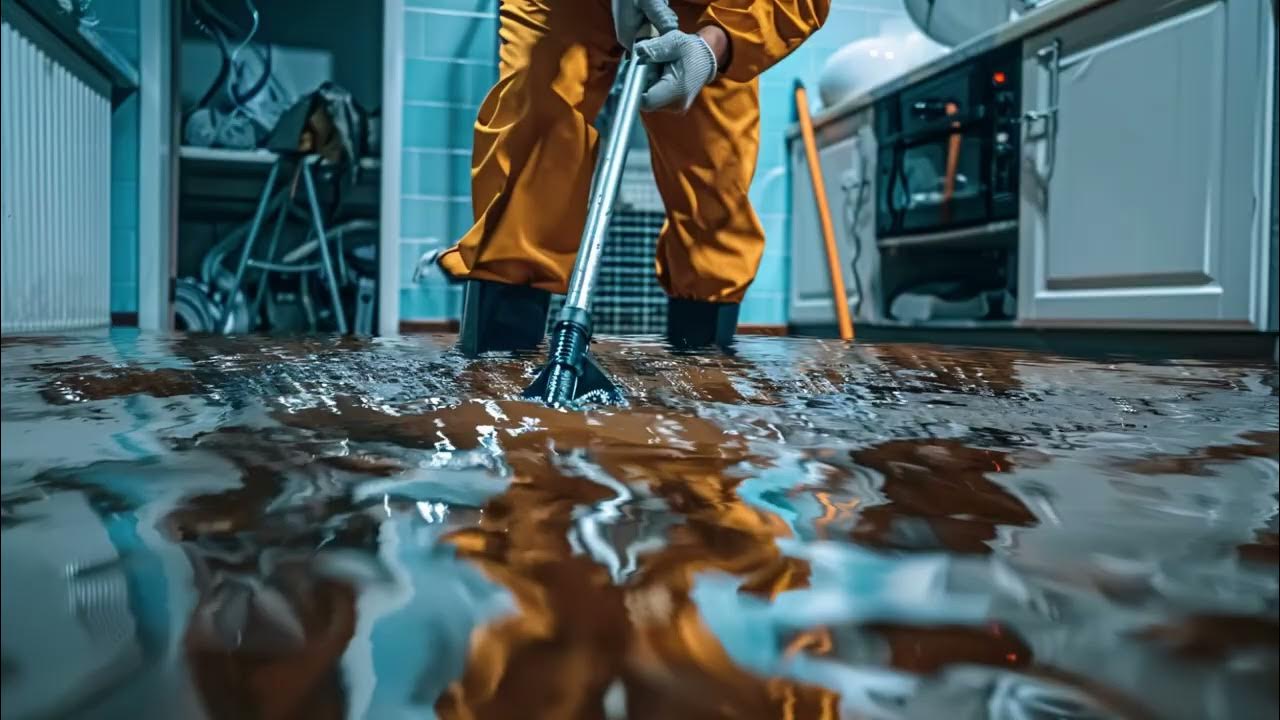
Water extraction is the process of removing standing water or excess water from a home or property. This is usually one of the first steps after a leak, flood, burst pipe, appliance failure, storm, or roof leak.
The goal is to get the water out before it continues spreading into nearby materials. This can help reduce damage to flooring, baseboards, trim, drywall, cabinets, and other parts of the home.
Water extraction may be needed when water is visibly pooling on floors, soaking carpet, sitting near walls, or spreading from room to room. It can also be needed when water has entered through a roof leak, storm opening, broken pipe, or appliance leak.
In Eugene, water extraction is especially important during rainy seasons because homes may already be dealing with higher moisture levels, roof wear, gutter drainage issues, and storm-related water intrusion.
What Water Extraction Usually Includes
Water extraction focuses on the immediate water problem. The details can vary depending on the home and the amount of water, but the service is usually centered around removing water and identifying the affected areas.
| Water Extraction Step | What It Means for the Homeowner |
| Initial water assessment | The affected area is reviewed to understand where the water is and where it may have spread |
| Source check | The team looks for whether water is still entering from a pipe, roof leak, appliance, or storm-related issue |
| Standing water removal | Visible water is removed from floors and affected areas |
| Moisture concern review | Areas around flooring, baseboards, walls, and cabinets may be checked for signs of hidden moisture |
| Next-step recommendation | The homeowner is told whether drying, repairs, or full restoration may be needed |
Extraction is not just about removing what is visible. A good water extraction response should also help the homeowner understand whether the water may have reached areas that need more attention.
When Water Extraction May Be Enough
Water extraction may be enough when the water was caught quickly, the source was stopped, and the water did not soak deeply into building materials. For example, a small appliance leak on a non-porous surface may only require fast cleanup and careful drying if it did not spread into nearby materials.
It may also be enough when standing water is limited and the affected area can be fully dried without removing or repairing materials. But this depends on the type of flooring, the amount of water, how long the water sat, and whether moisture moved under surfaces or behind walls.
The key point is that homeowners should not guess. A surface that looks dry may still have moisture underneath. This is common with carpet padding, laminate flooring, baseboards, cabinets, and drywall.
What Is Full Water Damage Restoration?
Full water damage restoration is the broader process of addressing water damage after the water has entered a home. It may include extraction, drying, cleanup, material removal, repairs, roof leak support, storm damage work, and documentation.
Restoration is needed when water affects materials that cannot simply be wiped dry. This may include drywall, insulation, subflooring, wood, cabinets, trim, carpet padding, ceilings, and other materials that can hold moisture.
A restoration project can be simple or more involved depending on the damage. Some homes may only need drying and minor repairs. Others may need sections of damaged drywall removed, flooring replaced, ceiling repairs completed, or exterior issues fixed so the water does not come back.
Full restoration looks at the whole problem, not just the water you can see.
What Full Water Damage Restoration Usually Includes
Full restoration is more complete because it moves beyond immediate water removal. It focuses on returning the affected area to a safe, dry, and usable condition.
| Restoration Step | Why It Matters |
| Water extraction | Removes standing water so the damage does not continue spreading |
| Damage assessment | Helps identify affected rooms, materials, and possible hidden moisture areas |
| Drying plan | Helps dry materials that can be saved and prevent moisture from remaining trapped |
| Damaged material removal | Removes materials that are too saturated or damaged to keep |
| Repairs | Restores drywall, trim, flooring, ceilings, roofing, or other affected areas when needed |
| Documentation | Helps homeowners understand the damage and may support an insurance claim |
This is why full restoration usually takes more planning than extraction alone. The water needs to be removed first, but then the home needs to be evaluated for what was affected.
When You Need Full Water Damage Restoration Instead of Extraction Only
You may need full water damage restoration if the water has been sitting for several hours or longer, if the source was not stopped quickly, or if water reached absorbent materials.
You should also consider restoration if you notice soft drywall, brown ceiling stains, bubbling paint, swollen trim, warped floors, musty smells, damp cabinets, or water coming through the ceiling. These are signs that moisture may have moved beyond the surface.
In Eugene homes, full restoration is often needed after roof leaks, storm damage, heavy rain intrusion, burst pipes, and appliance failures that affect more than one small area. Water can move under flooring and behind walls, which makes the damage harder to see without a closer look.
Side-by-Side Signs: Which Service Do You Need?
This table can help you think through what may be needed, although a professional inspection is still the best way to know for sure.
| What You Are Seeing | Likely Service Needed | Why |
| A small amount of water on a hard surface that was cleaned quickly | Water extraction or basic cleanup may be enough | The water may not have reached absorbent materials |
| Standing water on carpet or flooring | Emergency water extraction | Water can move into padding, seams, and subflooring |
| Water coming through a ceiling | Water extraction plus possible restoration | The source may be a roof leak or plumbing issue, and ceiling materials may be affected |
| Wet drywall or soft baseboards | Full water damage restoration | Moisture may be inside walls or absorbed into trim |
| Warped floors or swollen cabinets | Full water damage restoration | Materials have likely absorbed water |
| Musty smell after cleanup | Full water damage restoration | Hidden moisture may still be present |
| Water damage after a storm or roof leak | Extraction, restoration, and source repair | The home may need water removal and roof or exterior repair |
This is not meant to diagnose the damage on its own. It is meant to help homeowners understand why extraction may be only the first step in some situations.
Why Extraction Alone Can Be Risky If Water Has Spread
Water extraction is important, but it does not automatically mean the home is fully dry or restored. The biggest risk is assuming that visible water removal solves everything.
Water can hide under flooring, inside wall cavities, behind baseboards, beneath cabinets, and above ceilings. If those areas stay wet, the homeowner may notice problems later, such as staining, swelling, odors, soft spots, or damaged materials.
This is why a complete response should include a conversation about what happened, how long the water sat, what materials were affected, and whether the source of the water has been stopped.
For example, if storm water entered through roof damage, extraction may remove the water from the floor, but the roof issue still needs attention. If the roof is not repaired or temporarily tarped, the next storm may cause the same damage again.
Water Extraction vs Restoration After a Roof Leak
Roof leaks are a common example of why homeowners may need more than extraction. A roof leak can send water into insulation, ceilings, drywall, walls, and flooring before it becomes obvious inside the home.
If you see a ceiling stain or dripping water, the visible damage may not show the full path of the water. The water may have traveled through insulation or along framing before reaching the ceiling surface.
| Roof Leak Situation | What May Be Needed |
| Active dripping from the ceiling | Stop or contain the leak, extract water, inspect affected materials |
| Ceiling stain after heavy rain | Inspect roof source and check for moisture in ceiling materials |
| Water on floor below a leak | Extract standing water and assess flooring, drywall, and trim |
| Storm damage to the roof | Emergency tarp, water extraction, restoration, and roof repair planning |
Because Eugene Restoration provides roofing, storm damage repair, emergency roof tarp services, and water damage restoration, homeowners can get help looking at both the interior water issue and the source of the problem.
Water Extraction vs Restoration After a Burst Pipe
A burst pipe can release a large amount of water quickly. In this situation, extraction is usually needed right away, but restoration may also be needed depending on how far the water spread.
If the water only affected a small area and was stopped quickly, the project may be limited. But if water reached multiple rooms, soaked flooring, entered walls, or affected cabinets, full restoration may be necessary.
Burst pipe water damage can be especially stressful because homeowners are often dealing with an active source of water. The first steps are to shut off the water supply if possible, avoid unsafe electrical areas, document the damage, and call for help.
Water Extraction vs Restoration After an Appliance Leak
Appliance leaks can seem small at first, but they often affect hidden areas. Dishwashers, washing machines, refrigerators, and water heaters can leak behind or underneath the appliance before the homeowner notices.
Water may spread under cabinets, beneath flooring, or into nearby walls. If the leak has been going on for a while, full restoration may be needed even if there is not much standing water left.
A quick extraction response can help remove visible water, but the next step should be checking whether the surrounding materials were affected.
How to Avoid Paying for the Wrong Service
The best way to avoid paying for the wrong service is to start with an honest assessment. A good local water damage restoration company should explain what is urgent, what may be optional, and what needs to be inspected before making decisions.
If you only need extraction, the company should not make the situation sound larger than it is. If you need full restoration, the company should explain why extraction alone is not enough.
Homeowners should ask clear questions, such as where the water traveled, what materials were affected, whether the source has been stopped, whether drying is needed, and whether repairs may be required.
The right answer depends on the actual damage, not just the name of the service.
How Insurance Fits Into Water Extraction and Restoration
Insurance may become part of the process if the damage is significant or connected to a covered event. Whether a claim applies depends on the cause of the water damage and the details of the homeowner’s policy.
Water extraction may help limit further damage, while restoration documentation may help show what areas were affected. Photos, notes, moisture concerns, damaged materials, and the source of water can all be important if a homeowner decides to speak with their insurance company.
Even when insurance is involved, homeowners should not wait too long to remove standing water. Delaying extraction can allow the damage to spread, which may make the process more difficult.
Choosing the Right Local Company in Eugene
When choosing a company for water extraction or full water damage restoration in Eugene, look for a team that communicates clearly and understands local property conditions. Water issues in this area are often connected to rain, storms, roof leaks, gutters, and moisture-prone areas.
Eugene Restoration is local to the Eugene and Springfield area and helps property owners through stressful situations with practical guidance. The company was built around service, accountability, attention to detail, and doing the job right.
That local approach matters because a water damage job is not just about removing water. It is about protecting the home, understanding the source, and helping the homeowner make the right next decision.
Get Emergency Water Extraction or Water Damage Restoration in Eugene
If you have standing water, wet flooring, ceiling leaks, storm-related water damage, or signs that moisture has spread, Eugene Restoration can help.
Call (541) 600-9486 to request help in Eugene, Springfield, or nearby areas. The team can help determine whether you need emergency water extraction, full water damage restoration, or both.
Conclusion: Water Extraction vs Full Water Damage Restoration in Eugene
Water extraction removes standing water. Full water damage restoration addresses the bigger picture, including drying, cleanup, repairs, and damaged materials. If water is still sitting inside your home, extraction should happen quickly. If water has soaked into floors, walls, ceilings, cabinets, or trim, full restoration may be needed to properly address the damage.
For emergency water extraction in Eugene OR, Eugene Restoration can help remove water, assess the damage, and guide you through the next steps with honest communication and reliable workmanship.