How Fast Should Standing Water Be Removed in a Eugene Home?
TLDR: How Fast Should Standing Water Be Removed in a Eugene Home?
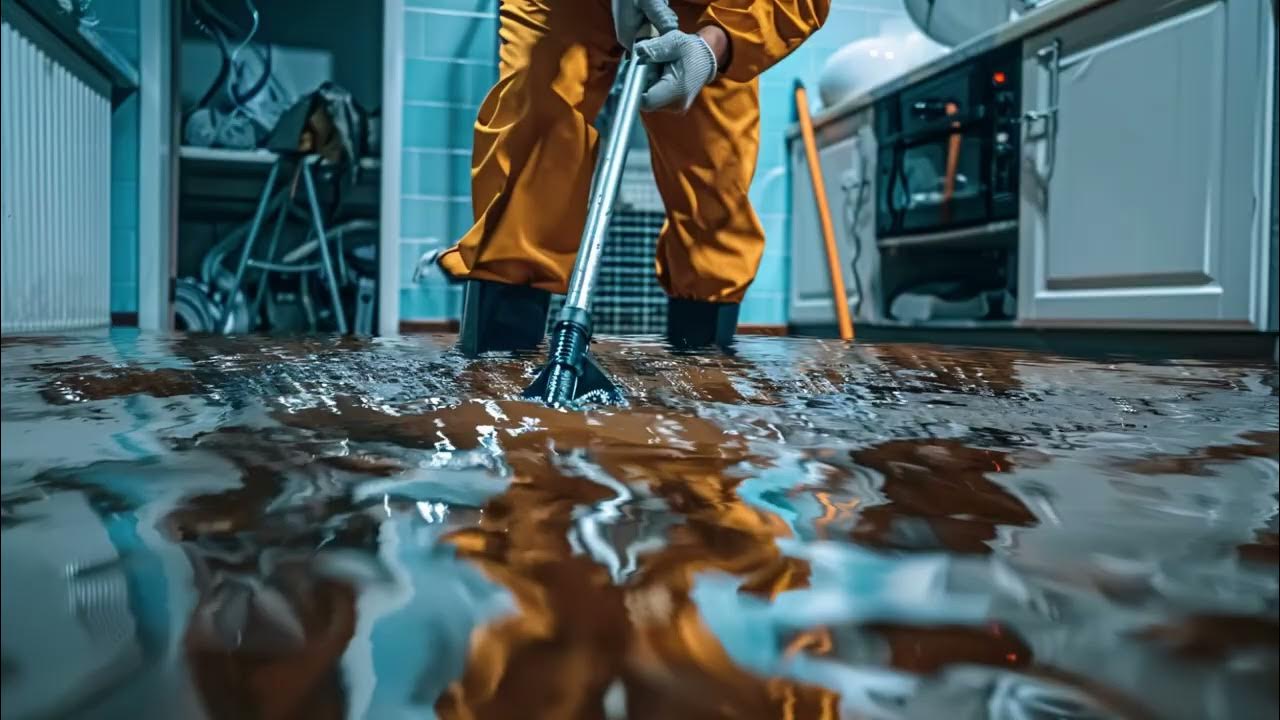
Standing water should be removed immediately. If water has been sitting for more than a few hours, it can begin spreading into materials around it. After a day or more, the risk of deeper damage increases because moisture may already be trapped under flooring, behind baseboards, or inside walls. The best move is to stop the source if possible, avoid unsafe areas, take photos for documentation, and call a local water extraction company before the damage gets worse.
Why Standing Water Needs to Be Removed Quickly
Standing water is not just water sitting on the surface. It is water actively moving into your home. Even if it looks like it is only affecting one area, moisture can travel through seams in flooring, gaps under walls, cracks in trim, and porous materials like drywall and wood.
This is why waiting can be risky. Homeowners sometimes assume that if the puddle is small, towels and fans will be enough. In some minor cases, surface cleanup may help. But when water has reached carpet, laminate, wood flooring, baseboards, cabinets, drywall, or ceilings, it can be hard to know where the moisture has gone without a proper inspection.
Water extraction is the first major step in limiting the damage. The goal is to remove as much water as possible before it continues soaking into the structure. The faster this happens, the easier it usually is to understand what materials can be dried, what may need repair, and how to prevent the issue from spreading.
What Happens If Standing Water Sits Too Long?
When standing water is left inside a home, the damage can grow in stages. At first, the problem may look limited to wet flooring or a small puddle near the leak. Over time, the water can move into materials around it and create damage that is not immediately visible.
Flooring may begin to swell, separate, buckle, or soften. Baseboards can absorb moisture and pull away from the wall. Drywall can become soft, stained, or warped. Cabinets can swell at the bottom. Insulation may hold moisture inside wall cavities or ceilings. Subfloor materials can also absorb water, which may lead to longer drying times and more involved repairs.
In some cases, the visible water is only the beginning. A homeowner may mop up the surface and think the issue is handled, only to notice musty smells, stains, soft spots, or warping days later. That usually means moisture remained trapped somewhere that could not dry properly on its own.
How Fast Can Water Spread Through a Eugene Home?
Water can spread very quickly, especially when it reaches flooring and wall materials. Carpet and padding can hold a large amount of water. Laminate and wood flooring can allow water to move into seams and underneath the surface. Drywall can pull moisture upward from the floor. Cabinets and trim can absorb water from direct contact.
In a Eugene home, the surrounding weather can make the situation more complicated. During rainy months, homes may already be dealing with higher humidity, wet crawlspaces, roof leaks, clogged gutters, or exterior drainage issues. If indoor water damage happens during the same season, materials may not dry as easily without the right response.
This does not mean every water issue becomes a major restoration project. It means homeowners should act quickly and avoid guessing. If water has reached materials that can absorb moisture, fast extraction and assessment can make a big difference.
Common Causes of Standing Water in Eugene Homes
Standing water can happen for many reasons. In Eugene, some of the most common causes include heavy rain, roof leaks, storm damage, burst pipes, appliance leaks, overflowing sinks, toilet overflows, water heater failures, and clogged gutters that allow water to move toward the home.
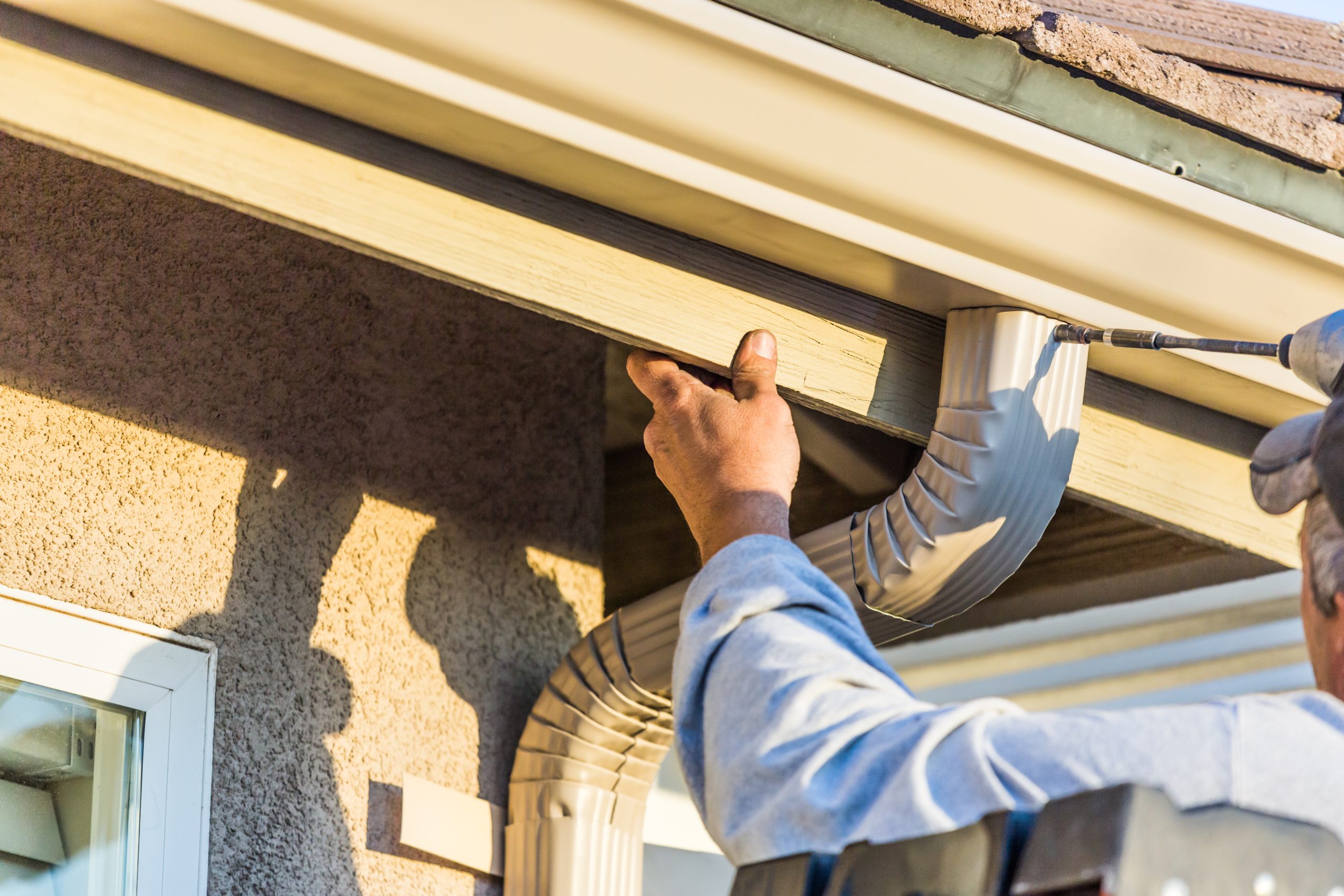
Roof leaks are especially important to pay attention to. Water entering through the roof may show up as a ceiling stain, drip, wet insulation, or water running down an interior wall. If the source is not corrected, water may keep entering during every storm or heavy rain.
Plumbing issues can also create fast damage because the water may continue flowing until the source is shut off. A burst pipe, supply line leak, or failed appliance hose can release enough water to affect multiple rooms in a short period of time.
Storm damage can be more difficult to diagnose because water may enter through roof damage, siding gaps, damaged flashing, window areas, or overwhelmed drainage systems. When the source is unclear, local experience matters because the water issue needs to be looked at as a whole, not just cleaned up on the surface.
The First Few Hours Matter Most
The first few hours after water enters your home are important. This is when quick action can help reduce the amount of water that spreads into surrounding materials. Removing standing water early gives the affected area a better chance of drying properly and can help prevent the situation from becoming more extensive.
The first priority is safety. If there is standing water near electrical outlets, appliances, cords, or breaker panels, do not walk into the area. If the water may be contaminated from a toilet overflow, sewage backup, or outside floodwater, avoid contact and call a professional.
If it is safe, the next priority is stopping the source. This may mean turning off the water supply, placing a container under a roof leak, or calling for emergency roof tarp services if storm damage is allowing water inside. Once the source is controlled, water extraction can begin.
Why Towels and Fans Are Usually Not Enough
Towels and household fans can help with very small surface spills, but they are not a reliable solution for standing water that has affected flooring, walls, or building materials. The problem is not only the water you can see. It is the moisture that may have moved into areas you cannot easily reach.
For example, wet carpet may feel dry on top after a fan runs for a while, but the pad underneath may still be holding moisture. A laminate floor may look fine at first, but water can remain underneath and lead to swelling or separation later. A wall may only show a small stain, even though moisture has spread behind the drywall.
Professional water extraction helps remove more water from affected areas and gives homeowners a clearer understanding of the damage. It also helps determine whether drying, cleanup, repairs, or documentation may be needed.
Signs Standing Water Has Already Caused Damage
Some water damage is obvious. Other signs are more subtle. Homeowners should pay attention to wet carpet, warped flooring, bubbling paint, soft drywall, brown ceiling stains, musty smells, peeling trim, swollen cabinet bases, and damp baseboards.
If the water came from above, such as a roof leak or ceiling leak, look for staining, sagging drywall, dripping, wet insulation, or water running down walls. If the water came from below, check for flooring changes, damp trim, and moisture around walls or cabinets.
Do not assume the damage is minor just because the visible water has been cleaned up. If any materials still feel soft, damp, swollen, or stained, the affected area should be checked.
When You Should Call for Emergency Water Extraction
You should call for emergency water extraction when water is standing, spreading, or has reached absorbent materials in your home. This includes water on carpet, wood flooring, laminate, near drywall, under cabinets, around baseboards, or inside rooms where the source is unknown.
You should also call if water is coming from a roof leak, storm damage, broken pipe, water heater, appliance, or overflowing fixture. These situations can create hidden moisture that may not be solved with basic cleanup.
A local company can help you understand what needs to happen first. In some cases, the answer may be simple extraction and drying guidance. In other cases, the home may need repairs, roof leak support, emergency tarping, or a more complete water damage restoration process.
What to Do Before Help Arrives
If you are waiting for help, focus on safety and documentation. Do not walk into standing water if there is any electrical concern. Do not use a regular household vacuum to remove water. Do not pull up flooring, cut into walls, or remove damaged materials before the area has been assessed.
If it is safe, take photos and videos of the affected area. Capture where the water is located, what rooms are affected, and any visible damage to floors, walls, ceilings, cabinets, or personal belongings. These photos may be helpful if you need to speak with your insurance company.
Move small items away from the affected area if you can do so safely. Keep furniture, rugs, boxes, and belongings out of standing water where possible. If the water source is still active and you can safely stop it, do that first.
How Water Extraction Fits Into Water Damage Restoration
Water extraction and water damage restoration are connected, but they are not exactly the same thing. Water extraction focuses on removing standing or excess water. Restoration looks at the full process of drying, cleanup, damage assessment, repairs, and returning the property to a safe condition.
A home may need only limited extraction if the water was caught early and affected materials can dry properly. A more serious situation may require drying equipment, material removal, roof repair, drywall repair, flooring work, or insurance claim support.
This is why the first assessment matters. The goal is not to make the situation sound worse than it is. The goal is to understand the real extent of the damage so the homeowner can make the right decision.
Why Local Experience Matters in Eugene
Water damage in Eugene is often connected to local weather patterns, heavy rain, roof conditions, gutter issues, and storm-related problems. A company familiar with the area can better understand how water may be entering the home and what types of damage are common in local properties.
Eugene Restoration serves Eugene, Springfield, and nearby communities, helping homeowners and property owners respond to water damage with clear communication and practical next steps. The company also provides roofing, storm damage repair, emergency roof tarp services, and water damage restoration, which is helpful when the water issue is connected to the roof or exterior of the home.
That matters because removing the water is only one part of the solution. If a roof leak, damaged flashing, clogged gutter, or storm-related opening is allowing water inside, the source needs to be addressed so the same damage does not happen again.
Should You File an Insurance Claim for Standing Water Damage?
Whether you should file an insurance claim depends on what caused the water damage, the extent of the damage, and your specific policy. Some homeowners call their insurance company right away. Others first call a restoration company to understand the visible damage and determine what documentation may be needed.
If the damage is significant, documentation can be important. Photos, affected rooms, visible water lines, damaged materials, and the suspected source should all be clearly noted. A local restoration company can help you understand what may need to be documented before cleanup and repairs move forward.
The most important thing is not to delay water removal just because you are unsure about the claim process. If water is actively damaging the home, controlling the damage should be the first priority.
Get Emergency Water Extraction in Eugene, OR
If you have standing water in your home, do not wait for it to dry on its own. Fast action can help limit damage, reduce moisture concerns, and make the next steps clearer.
Eugene Restoration provides emergency water extraction in Eugene, OR for homeowners, property managers, and local businesses dealing with roof leaks, burst pipes, storm damage, appliance leaks, and unexpected water intrusion.
Call (541) 600-9486 or email info@eugenerestoration.com to request help. Eugene Restoration serves Eugene, Springfield, and nearby areas within the surrounding service radius.
Conclusion: Emergency Water Extraction in Eugene, OR Starts With Fast Action
Standing water should be removed from a Eugene home as quickly as possible. Waiting can allow moisture to spread into flooring, drywall, cabinets, trim, ceilings, and hidden areas that are harder to dry. If water has entered your home, the safest move is to stop the source if possible, document the damage, and call a local team that can help remove the water and explain the next steps.
Eugene Restoration is here to help homeowners and property owners through stressful water damage situations with honest guidance, clear communication, and reliable workmanship.