Water Damage Restoration Near Me (What to Do in the First 24 Hours)
TLDR – water damage restoration near me
If you’re searching for water damage restoration near me in Eugene, time is critical. In the first 24 hours, you should stop the water source, remove standing water if safe, begin drying immediately, and contact a professional restoration company to prevent structural damage and mold growth. The faster you act, the more you can reduce repair costs and protect your home.
If you need immediate help, our team offers fast-response water damage restoration services in Eugene to get your home dried and restored quickly.
Why the First 24 Hours Matter for Water Damage
Water damage spreads faster than most homeowners expect. Within minutes, water begins soaking into flooring, drywall, and insulation. Within hours, materials start to weaken and odors begin forming. By the end of the first day, you can already be dealing with structural issues and the early stages of mold.
This is why water damage restoration is not something to delay. Acting quickly can mean the difference between a simple cleanup and a full home restoration project.
Step 1: Stop the Source of the Water
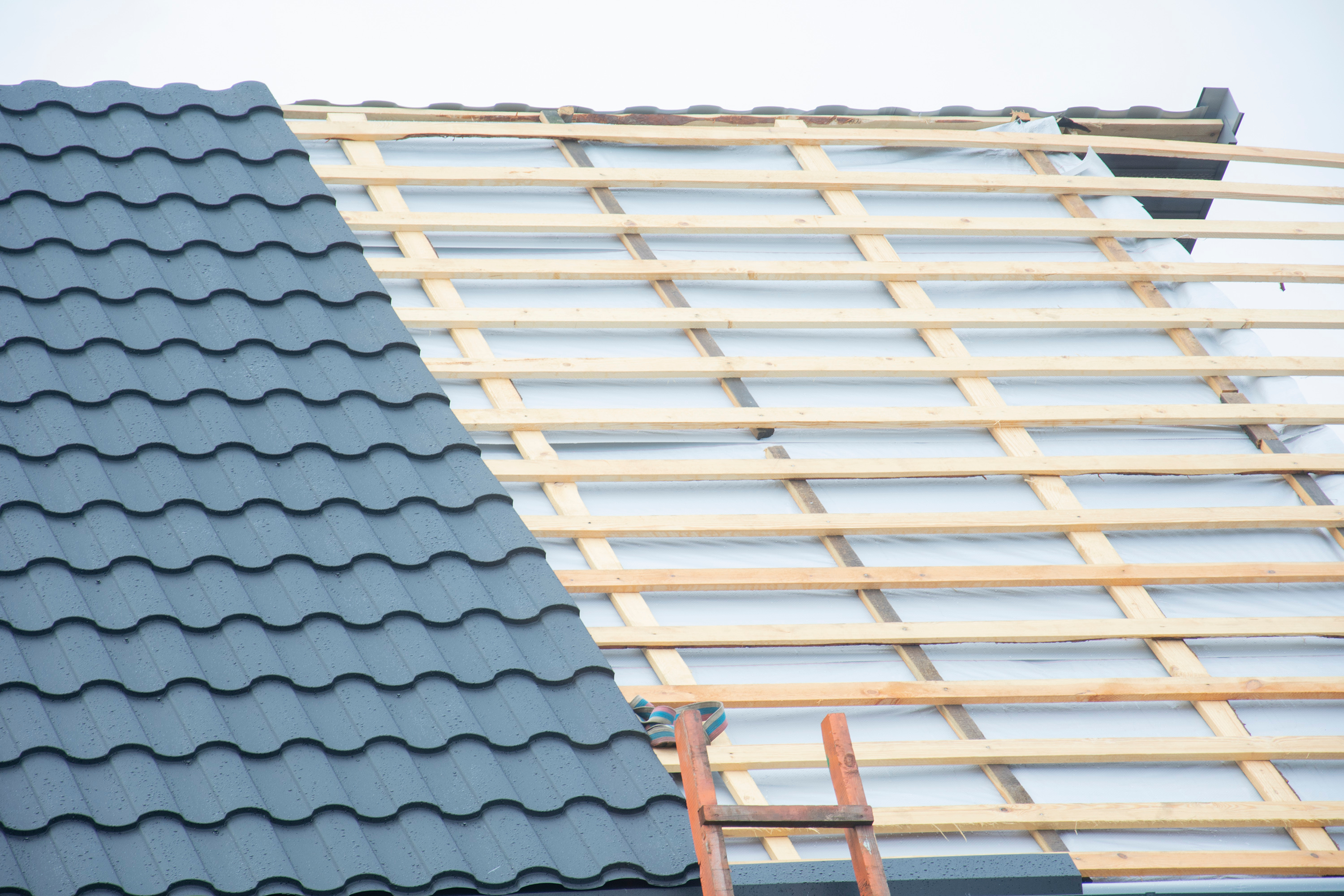
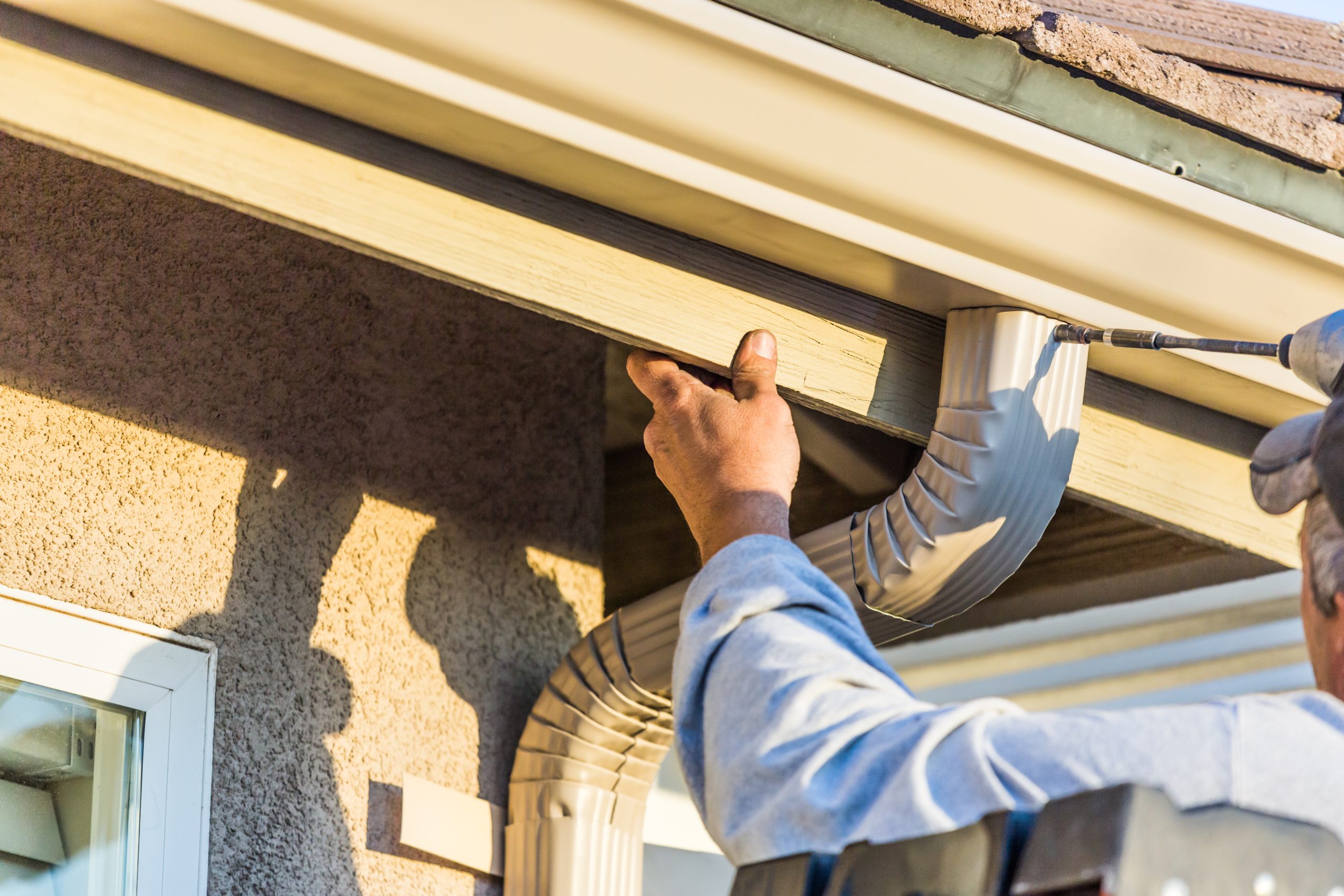
The first priority is stopping the flow of water. This could mean shutting off your main water valve, fixing a burst pipe, or stopping an appliance leak. If the source is storm-related, such as roof damage, you may need temporary protection like tarping.
If you cannot safely stop the water, it is important to call a professional immediately. Continuing water exposure will make every step that follows more difficult and expensive.
Step 2: Turn Off Power in Affected Areas
Water and electricity are a dangerous combination. If water has reached outlets, appliances, or electrical panels, turn off power to the affected area if it is safe to do so.
If you are unsure, do not take risks. A restoration professional can assess the situation and ensure everything is handled safely.
Step 3: Remove Standing Water Quickly
Standing water causes the most immediate damage. The longer it sits, the more it soaks into materials and spreads to new areas.
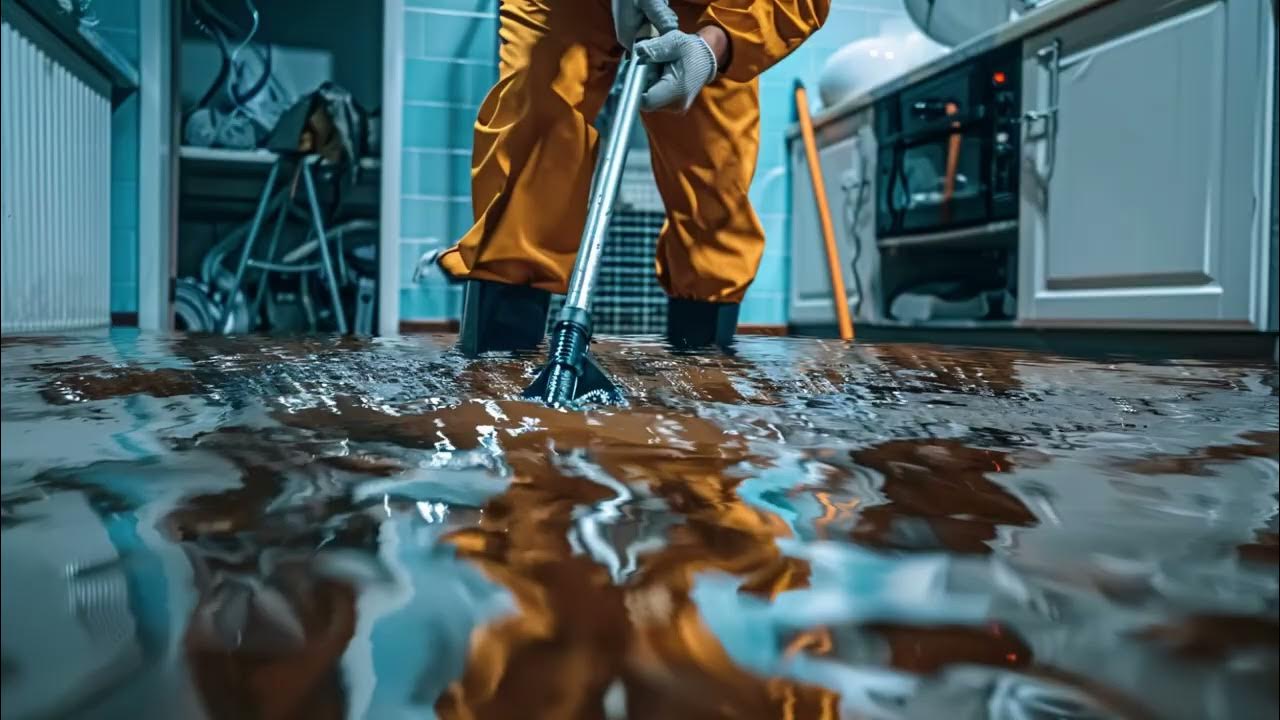
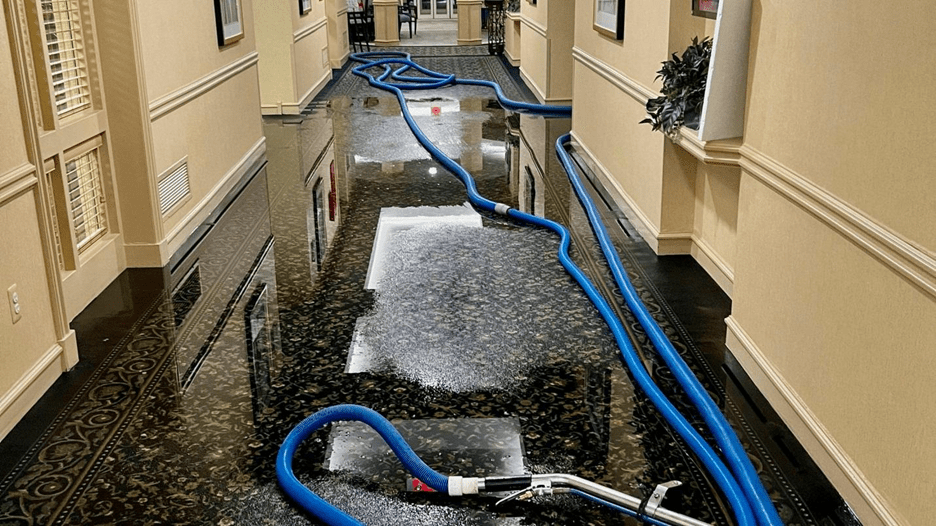
If the water level is low and safe to handle, you can begin removing it with towels, mops, or a wet vacuum. However, larger amounts of water require professional extraction equipment to fully remove moisture from surfaces and subflooring.
Step 4: Start the Drying Process Immediately
After removing visible water, drying becomes the priority. Open windows if weather allows, use fans, and run dehumidifiers to reduce moisture in the air.
Keep in mind that surface drying is not enough. Moisture can remain trapped inside walls, flooring, and insulation. Without proper drying equipment, hidden moisture can lead to long-term damage and mold.
Step 5: Remove Damaged Materials When Necessary
Some materials cannot be saved once they are saturated. This often includes carpet padding, insulation, and certain types of drywall.
If materials feel soft, swollen, or have a strong odor, they may need to be removed to prevent further damage. A professional restoration company can determine what can be saved and what needs replacement.
Step 6: Sanitize and Prevent Mold Growth
Bacteria and mold can begin developing quickly after water exposure, especially with contaminated water sources. Proper cleaning and sanitization are essential to make your home safe again.
Even clean water can lead to mold if moisture is not fully removed. This is one of the biggest risks homeowners face when trying to handle water damage on their own.
Step 7: Call a Professional Water Damage Restoration Company
While some minor water issues can be handled independently, most situations benefit from professional help. Restoration companies use specialized equipment to detect hidden moisture, fully dry affected areas, and prevent future problems.
Professional restoration also helps when dealing with insurance claims. Proper documentation and reporting can make the claims process smoother and help ensure you receive the coverage you are entitled to.
How Fast Should You Act After Water Damage?
Immediately. Every hour matters.
Within the first few hours, damage is still somewhat contained. After 24 hours, materials begin to break down. Within a few days, mold growth becomes a serious concern.
Fast action reduces repair costs, shortens the restoration timeline, and helps protect the structure of your home.
Common Mistakes Homeowners Make
One of the biggest mistakes is waiting too long to take action. Water damage does not dry on its own the way people expect. Another common issue is assuming the area is dry because surfaces feel dry, even though moisture is still trapped underneath.
Using household fans alone is often not enough to fully dry affected areas. Without proper equipment, moisture can remain hidden and cause issues weeks or months later.
When Water Damage Becomes an Emergency
Not all water damage is the same. Situations involving large amounts of water, contaminated water, or structural concerns should always be treated as emergencies.
If your home has experienced flooding, sewage backup, or significant leaks, professional restoration is the safest and most effective option.
Conclusion – water damage restoration near me
When searching for water damage restoration near me, the most important thing to remember is speed. Acting within the first 24 hours can prevent serious damage, reduce costs, and protect your home from long-term issues like mold.
If you’re dealing with water damage in Eugene or Springfield, our team at Eugene Restoration is ready to respond quickly and guide you through the process. Contact us to get help right away and restore your home with confidence.