

Roof Leaks in Heavy Rain (Why It Happens and What to Do)
TLDR – roof leaks in heavy rain
If you are dealing with roof leaks in heavy rain, it usually means your roof already has a weak point that becomes exposed when water builds up or wind drives rain into vulnerable areas. The best first steps are to contain the water inside, protect the affected area, and schedule a professional inspection to find and repair the true source of the leak.
If your roof is actively leaking, our team provides fast roof repair services in Eugene and Springfield to help stop the damage and protect your home.
Why Roof Leaks Often Show Up During Heavy Rain
A roof may appear fine during dry weather and still leak during a strong storm. This usually happens because heavy rain puts more pressure on weak points that are not obvious under normal conditions.
When rain is driven by wind or begins pooling in vulnerable areas, water can find its way beneath shingles, around flashing, or through worn roof penetrations. In many cases, the heavy rain is not the actual cause of the leak. It is simply exposing an existing roofing problem that has already developed over time.
This is why homeowners often notice leaks only during storms and assume the issue will disappear once the weather clears. In reality, the roof has already been compromised and will usually continue leaking until the underlying problem is repaired.
The Most Common Reasons Roofs Leak in Heavy Rain
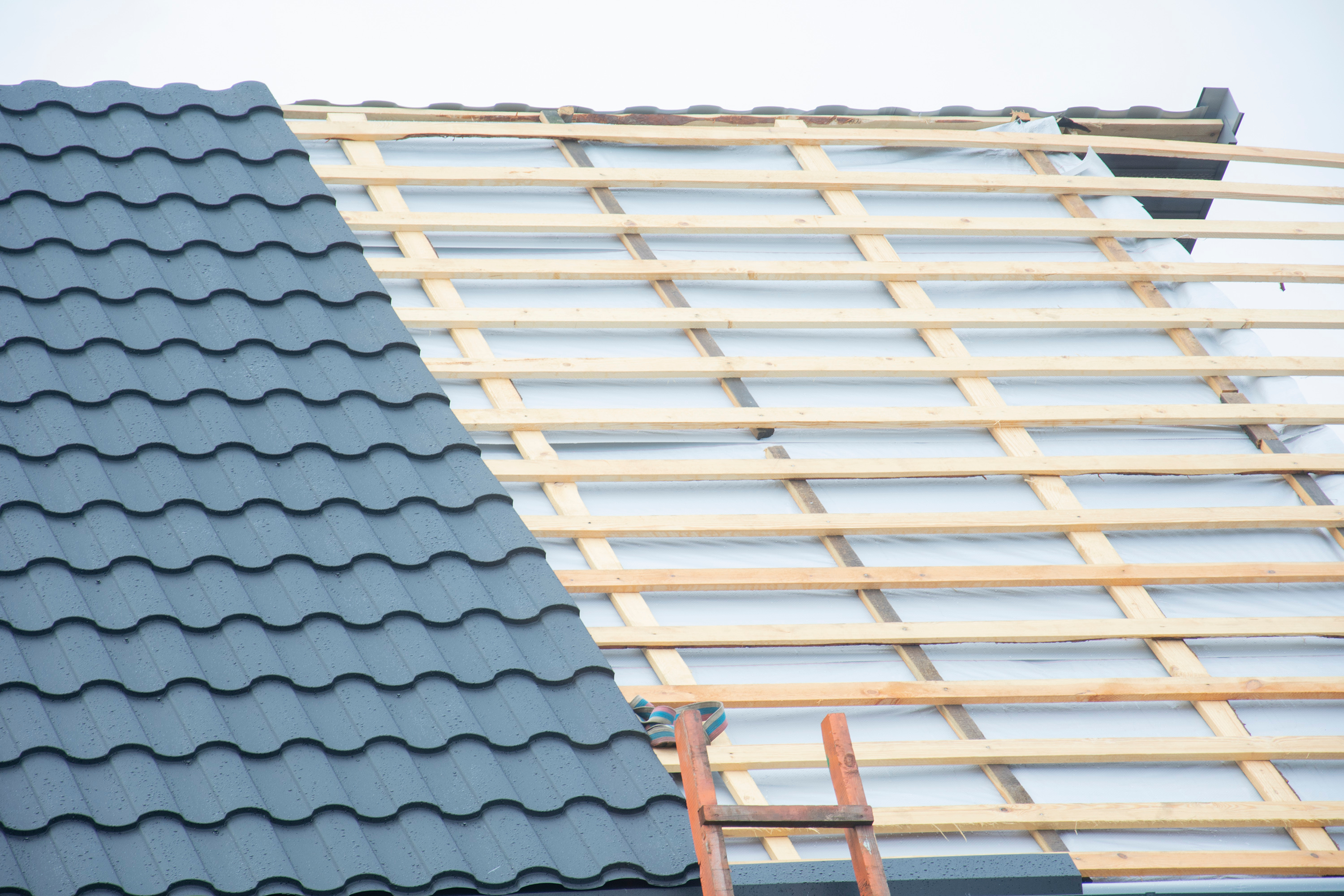
Heavy rain tends to reveal the same roofing issues over and over again. One of the most common causes is damaged or lifted shingles that allow water to work underneath the roofing system.
Another major issue is failing flashing around chimneys, vents, skylights, and valleys. These transition points are especially vulnerable when water is moving quickly across the roof.
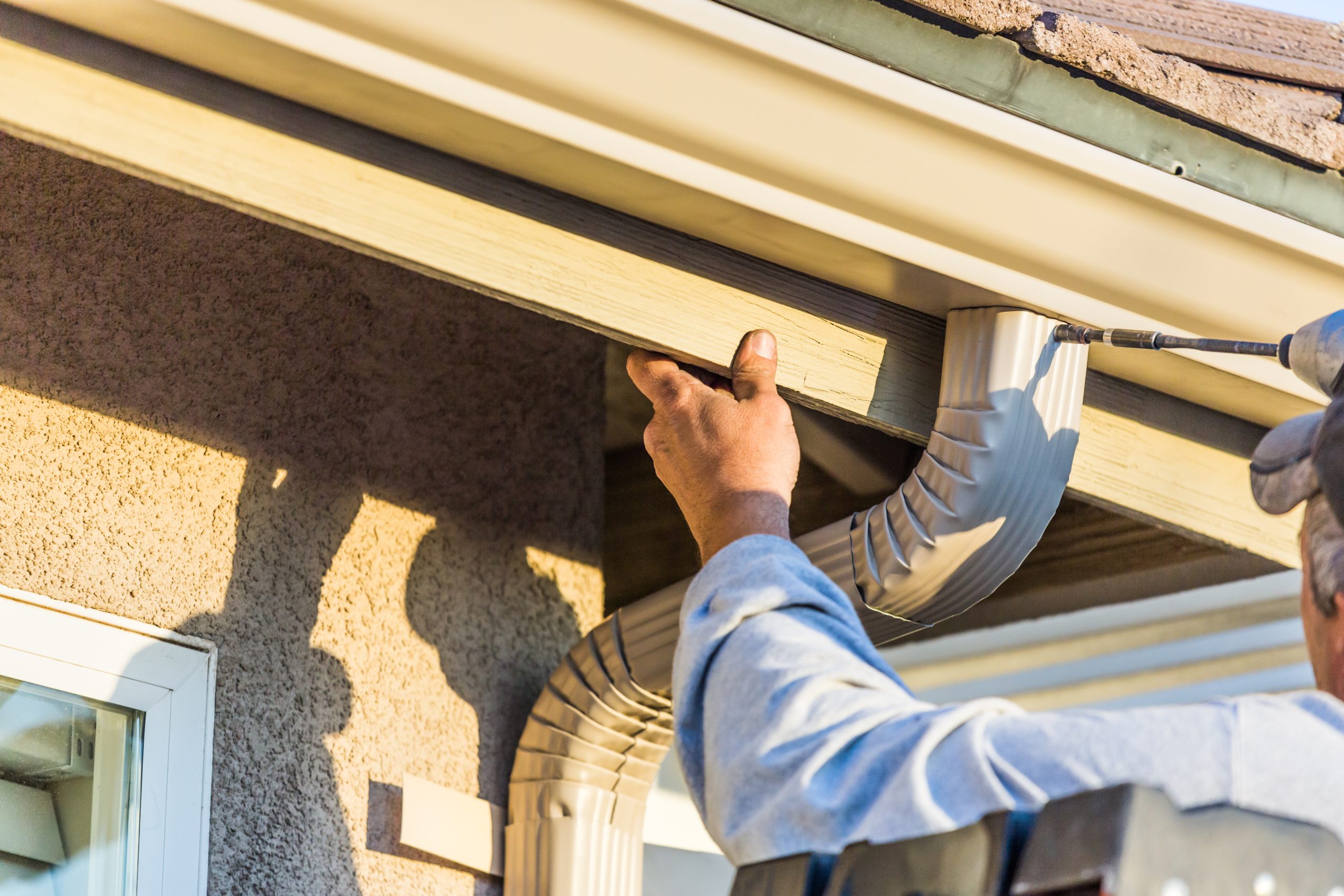
Clogged gutters can also play a major role. When water cannot drain properly, it can back up under the edge of the roof and enter the home.
Aging roofing materials are another common factor. As shingles wear down over time, they lose their ability to shed water effectively, especially during extended periods of rain.
How to Tell If Heavy Rain Is Exposing a Bigger Roofing Problem
If your roof leaks during heavy rain more than once, that is usually a sign the issue is not minor. Repeated leaks often mean there is a larger weakness in the roofing system that needs to be professionally evaluated.
You may notice water stains on ceilings, damp insulation in the attic, bubbling paint, soft drywall, or musty smells after storms. These are all warning signs that water is making its way deeper into the home.
If you are not sure exactly where the leak is coming from, it helps to start with roof leak detection near me so the true source can be identified before repairs are made.
What to Do Immediately When Your Roof Leaks in Heavy Rain
The first priority is limiting water damage inside your home. Place buckets or containers under active drips and move valuables or furniture away from the affected area.
If water is collecting in the ceiling, a controlled puncture may be needed to release pressure and prevent a larger ceiling collapse. This should only be done carefully and only when necessary.
You should also begin drying the area as soon as possible using fans and dehumidifiers. While this will not solve the roof problem itself, it can help reduce interior water damage while you wait for repairs.
For a full first-step response, see fix roof leak near me to understand what homeowners should do before the damage gets worse.
Why Temporary Fixes Often Fail During Oregon Storms
A lot of homeowners try to manage storm leaks with sealants or quick surface patches. While these may seem to help for a short time, they often do not address the true point of failure.
This is especially true in Oregon, where repeated rain and moisture can quickly expose weak repairs. A roof that leaks once during a storm is very likely to leak again if the source is not properly corrected.
This is why professional roof leak repair matters. The goal is not just to stop the visible drip. It is to identify why the roof failed and make a repair that will hold up under future weather conditions.
When You Should Call a Professional Right Away
If your roof is actively leaking during a storm, the damage is spreading, or water is reaching electrical areas, it is time to call a professional immediately.
Leaks that happen during heavy rain often indicate that your roof is vulnerable to future storms as well. The sooner the issue is assessed, the better your chances of preventing larger and more expensive repairs.
If you are already seeing visible interior damage, it may also help to understand how water damage restoration works when roof leaks begin affecting ceilings, walls, insulation, or flooring.
Why Professional Roof Leak Repairs Matter
A professional roof repair is about more than patching a wet spot. It includes identifying the exact source of intrusion, inspecting surrounding materials, and making sure the roofing system is still protecting the home the way it should.
This is especially important for homeowners who want to protect the long-term value of their home and avoid recurring issues.
If you are weighing whether it is time to bring in help, our guide on roof leak repair near me explains when a professional repair becomes the smarter move.
Conclusion – roof leaks in heavy rain
Roof leaks in heavy rain are almost always a sign that your roof already has a weak point that needs attention. The rain may reveal the problem, but it is rarely the true cause. Fast action, proper inspection, and a lasting repair are the best ways to protect your home and prevent more serious damage.
If your roof is leaking during heavy rain in Eugene or Springfield, Eugene Restoration can help you find the source, stop the leak, and repair the issue before it turns into something bigger.